
FOME FLEX 60 SECONDS Fast Fix Foam Adhesive Benefits How to Use It and Sale Offer
Loose boards, slow-setting adhesives, and messy fixing jobs can turn a simple project into a long afternoon. FOME FLEX 60 SECONDS Fast Fix Foam Adhesive is made for jobs where speed, clean application, and reliable hold matter.
This fast fix foam adhesive is a practical choice for fitting insulation boards, backing boards, panels, and other compatible building materials. It gives you a neater way to bond materials without mixing tubs of adhesive or handling heavy bags of powder.
Even better, FOME FLEX 60 SECONDS Fast Fix Foam Adhesive is currently on sale on the website, so it is a good time to stock up for upcoming repair, renovation, or installation work.

What is FOME FLEX 60 SECONDS Fast Fix Foam Adhesive?
FOME FLEX 60 SECONDS Fast Fix Foam Adhesive is a foam-based adhesive designed for fast bonding on suitable construction surfaces. It comes in an aerosol-style can and is usually applied with a foam gun or applicator, depending on the product format.
The big advantage is convenience. Instead of mixing, spreading, and cleaning up traditional adhesive, you can apply controlled beads of foam adhesive straight to the material. That makes it useful for small repairs, site work, and larger fitting jobs where time matters.
It is especially useful when working with:
Insulation boards
Wall panels
Plasterboard or backing boards, where compatible
Timber-based materials
Masonry, concrete, brick, and block surfaces, where suitable
General internal fit-out and repair jobs
Always check the product label before use, especially for surface compatibility, application temperature, and curing guidance.
Key benefits of FOME FLEX 60 SECONDS Fast Fix Foam Adhesive
A good adhesive should do more than stick two surfaces together. It should make the job easier, cleaner, and more predictable. Here are the main benefits.
Fast initial grab
The product is made for quick fixing. The “60 seconds” name points to its speed-focused design, helping materials take hold quickly during application.
That is useful when fixing boards or panels because you spend less time holding materials in place and more time getting the job finished.
Clean and controlled application
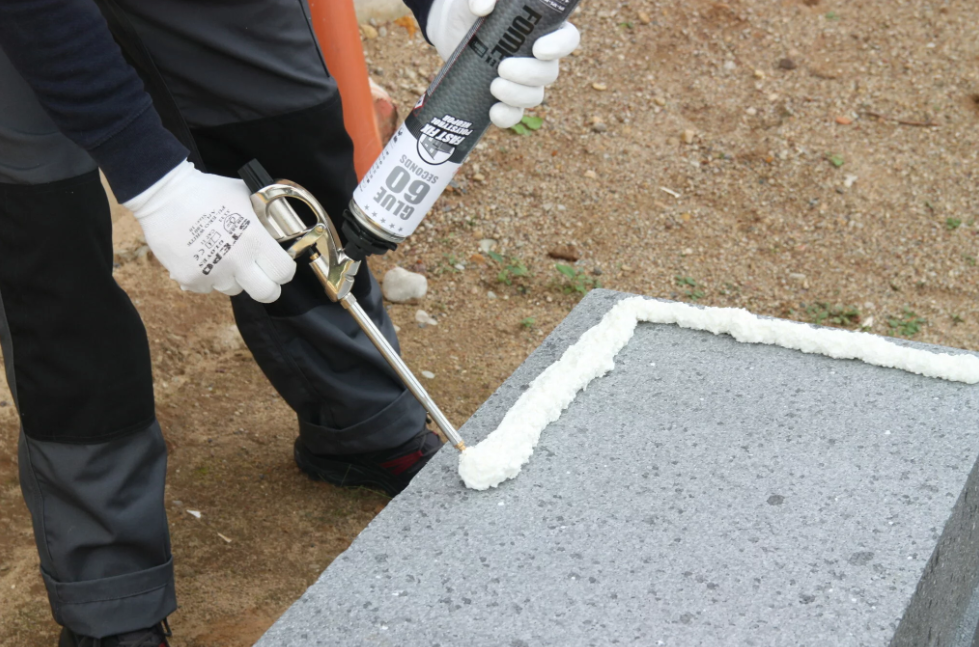
Foam adhesive can be applied in measured beads, which gives better control than spreading wet adhesive with a trowel. This helps reduce mess, waste, and clean-up time.
A controlled bead is especially useful around edges, corners, and uneven areas.
Lightweight to carry and easy to store
A can of foam adhesive is much easier to carry than bags of cement-based adhesive. For tradespeople moving between jobs, or DIY users tackling one room at a time, that makes a real difference.
It also takes up less space in a van, shed, or site storage area.
Good for uneven surfaces
Some walls and boards are not perfectly flat. Foam adhesive can help fill small gaps between compatible surfaces, giving better contact than very thin adhesive layers.
This does not replace proper surface preparation. Loose material, dust, grease, and damp contamination should still be removed first.
No mixing required
No bucket. No paddle mixer. No powder blowing across the floor.
That makes FOME FLEX a simple option for jobs where you want to start quickly, work neatly, and avoid the clean-up that comes with traditional mixes.
Suitable for quick repairs and planned projects
It works well for fast patch jobs, but it is not just a repair product. If you are fitting multiple boards or working through a renovation, the speed and clean application can help keep the job moving.
How to use FOME FLEX 60 SECONDS Fast Fix Foam Adhesive
Good results start with good preparation. Follow the product label for the exact instructions, but these steps give a clear guide to the usual process.
1. Prepare the surface
Make sure both surfaces are clean, stable, and free from dust, oil, loose paint, frost, or crumbling material.
If the surface is dirty or flaky, the adhesive may bond to the dirt rather than the wall or board. That weakens the fix.
2. Protect the work area
Wear gloves and suitable eye protection. Foam adhesive can be difficult to remove once cured, so protect finished floors, window frames, tiles, and nearby surfaces.
Use dust sheets or masking where needed.
3. Shake the can well
Shake the can thoroughly before use. This helps mix the contents and supports a consistent foam bead during application.
If the can has been stored in cold conditions, let it reach a suitable working temperature as stated on the label.
4. Attach the applicator or gun
Fit the can to the correct foam gun or nozzle. Make sure it is secure before applying pressure.
Do not force the fitting. If the connection is not right, stop and check the instructions.
5. Apply adhesive beads
Apply the foam adhesive in beads to the back of the board or material. Keep the bead size and spacing in line with the label guidance.
For boards, this often means applying adhesive around the perimeter and across the centre area, so the board gets even support. Avoid applying too much, as excess foam can expand and squeeze out at the sides.
6. Wait as directed
Some foam adhesives need a short waiting time before the material is pressed into place. Follow the instructions for FOME FLEX carefully.
The product is designed for fast fixing, but correct timing still matters.
7. Press the material into position
Place the board or panel onto the prepared surface and press firmly. Check alignment straight away.
Use a level where needed. Once the adhesive starts to grip, repositioning may become harder.
8. Support if needed
For overhead, vertical, heavy, or awkward materials, use temporary support until the adhesive has cured enough. Fast initial grab is helpful, but it does not remove the need for safe support where gravity or weight is a factor.
9. Trim any cured excess
If foam expands beyond the edge, let it cure fully before trimming it with a sharp blade. Do not smear uncured foam across the surface.
Tips for getting the best result
Small habits can make a big difference with foam adhesive.
Work on clean, dry, sound surfaces.
Read the label before opening the can.
Test on a small area if you are unsure about compatibility.
Keep the can upright or positioned as directed during use.
Use only the right applicator or foam gun.
Do not overapply.
Ventilate the area during use.
Clean the applicator as recommended before the adhesive cures.
The best bond comes from three things: the right surface, the right amount of adhesive, and the right timing.
A fast, clean fixing option for everyday jobs
FOME FLEX 60 SECONDS Fast Fix Foam Adhesive is a strong choice when you want a quicker, cleaner way to bond compatible boards, panels, and building materials. It is easy to apply, simple to carry, and designed to help reduce time spent waiting for materials to hold.
For the best result, prepare the surface properly, apply controlled beads, follow the label instructions, and support materials where needed.
And with FOME FLEX 60 SECONDS Fast Fix Foam Adhesive on sale on the website now, it is a good time to pick it up before your next project begins.


Comments